

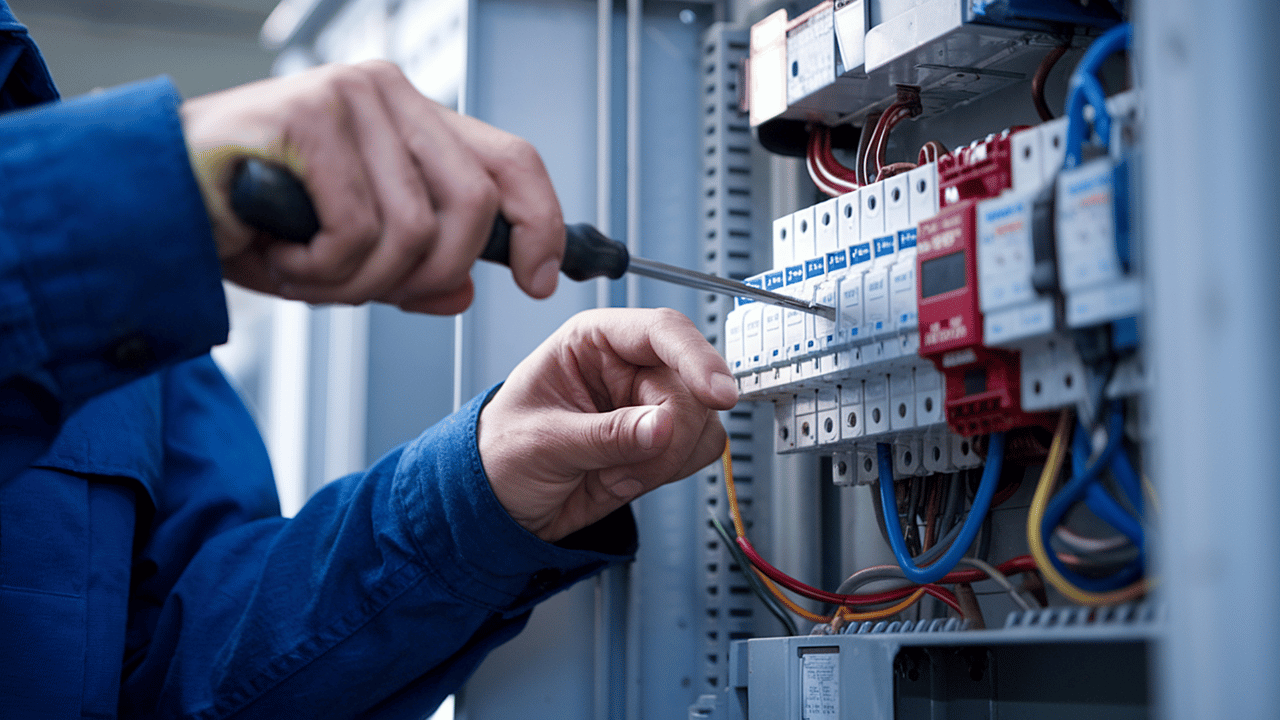
Preventive heating service can help identify developing problems before they become larger heating system issues. As a furnace or other heating system gets older, normal wear can affect components, airflow, electrical connections, and overall performance. Regular heating service gives homeowners an opportunity to address smaller problems, keep the system operating properly, and make informed decisions about repairs or eventual replacement. Preventive care does not stop a heating system from aging, but it can help maintain performance and potentially extend its useful lifespan.
What Happens as Heating Systems Get Older?
Heating systems are made up of many mechanical, electrical, and control components. With regular use, these parts naturally experience wear.
The amount of wear depends on factors such as system age, operating hours, installation quality, maintenance history, and the condition of the home.
An older heating system may continue to work reliably for years. However, the likelihood of certain problems can increase as components become worn.
Wear and Tear.
Wear and tear is a normal part of heating system operation.
Parts that move, ignite, switch, or transfer heat can experience repeated stress during heating cycles. Over time, this may affect how the system starts, operates, or shuts down.
Small problems may not immediately cause a complete system failure. Instead, homeowners might notice subtle changes.
These can include:
- Longer heating cycles
- New or unusual noises
- More frequent repairs
- Uneven temperatures
- Changes in system startup
- Higher energy use
Ignoring these changes can allow a minor issue to develop into a more serious problem.
Preventive heating service provides an opportunity to identify these changes earlier.
How Preventive Service Supports System Performance
Preventive service is different from emergency repair.
Emergency service usually happens after a system develops a problem that affects heating. Preventive service takes place while the system is still operating, so potential issues can be identified before they cause a major disruption.
During a professional heating service visit, a technician can inspect important components and look for signs of wear or abnormal operation.
This can help homeowners understand the current condition of their heating equipment.
Heating Efficiency
A heating system needs to operate properly to use energy effectively.
When components become dirty, worn, or incorrectly adjusted, the system may not operate as efficiently as it should.
Preventive service can help identify conditions that affect performance.
This does not mean every service visit will produce a noticeable reduction in energy costs. Heating efficiency depends on many factors, including equipment condition, home insulation, thermostat settings, ductwork, weather, and household use.
However, keeping the equipment in good working condition removes some avoidable sources of poor performance.
Fewer Unexpected Problems
No maintenance plan can guarantee that a heating system will never break down.
Older equipment can still experience unexpected failures even when it has been properly maintained.
However, preventive service can reveal certain warning signs before they become urgent problems.
For example, a technician may notice a worn component, loose electrical connection, unusual operating condition, or developing airflow issue during a routine visit.
Addressing the problem early may be easier than dealing with a complete failure during a period of heavy heating demand.
Which Heating Components Need Attention?
Different parts of a heating system can develop different problems over time.
A proper heating service should consider the system as a whole rather than focusing only on one component.
Airflow
Airflow is important because the heating system needs to move conditioned air through the home.
Problems with filters, blower components, return-air pathways, or other parts of the air distribution system can affect performance.
Restricted airflow can also place additional demand on the heating equipment.
During preventive service, airflow-related conditions can be checked, along with the heating equipment itself.
Homeowners should also keep supply and return vents clear and replace filters according to the needs of their system and household.
Electrical Components
Heating equipment relies on electrical components to control and operate different functions.
Connections, switches, motors, controls, and other electrical parts can experience wear over time.
Loose connections or damaged components may affect system operation and can create safety concerns.
Electrical inspection should be handled by a qualified HVAC professional; homeowners should not attempt to diagnose or repair internal electrical components themselves.
System Performance
A heating system can appear to be working while gradually losing performance.
For example, it may take longer to reach the thermostat setting or require more frequent operation.
A technician can evaluate how the system starts, runs, and shuts down to identify unusual behavior.
Checking overall system performance is particularly useful for older equipment, because it provides a clearer picture of whether the system is still operating as expected.
What Does Preventive Heating Service Usually Include?
The exact service depends on the type of heating system and its condition.
For a furnace, professional service may include inspection of key operating and safety components, checking airflow, examining electrical connections, and evaluating system performance.
A technician may also look for signs of wear, unusual operation, or components that need attention.
Preventive heating service can include:
- Inspection of heating components
- Checking system operation
- Airflow evaluation
- Examination of electrical connections
- Inspection for visible wear
- Filter condition check
- Thermostat operation check
- Safety-related checks
- Review of unusual noises or performance changes
The purpose is not simply to clean the equipment.
The larger goal is to understand how the heating system is operating and identify conditions that could affect reliability or performance.
When Should an Older System Be Evaluated?
There is no single age at which every heating system needs to be replaced.
Two systems of the same age can have very different conditions because of differences in installation, maintenance, operating hours, and use.
Instead of relying only on age, homeowners should consider both the system’s history and its current performance.
Increasing Repair Needs
Frequent repairs can be a sign that an older heating system deserves a more detailed evaluation.
One repair does not necessarily mean replacement is needed.
However, if multiple components begin requiring attention within a relatively short period, it may be useful to compare continued repair costs with the expected remaining service life of the equipment.
A professional evaluation can help provide that information.
Noticeable Performance Changes
Changes in heating performance should not automatically be blamed on the system’s age.
A dirty filter, thermostat problem, airflow restriction, duct issue, or other relatively simple problem may produce similar symptoms.
If the system is noticeably different from previous heating seasons, having it evaluated can help identify the cause.
Before the Heating Season
Preventive service is particularly useful before the system enters a period of regular use.
Checking the equipment before colder weather arrives gives homeowners time to address problems without waiting for a complete failure.
It can also provide a better understanding of the system’s condition before heating demand increases.
When Considering Replacement
An older system does not always need immediate replacement.
However, preventive service can help homeowners make better replacement decisions by identifying the condition of existing equipment.
If major components are deteriorating or repairs are becoming frequent, homeowners can begin planning for replacement rather than waiting for an unexpected failure.
Planning ahead may also provide more time to compare equipment options and installation requirements.
Why Heating System Care Becomes More Important With Age
Preventive heating service is useful for newer systems, but it can become increasingly valuable as equipment gets older.
Older systems have already gone through many heating cycles. Components may have experienced years of vibration, temperature changes, electrical operation, and mechanical use.
Regular heating system care gives homeowners a way to monitor these changes.
It also creates a service history that can make it easier to identify recurring issues.
Instead of treating every problem as an isolated event, a technician can look at the system’s broader operating history.
This can be helpful when deciding whether continued repair makes sense or whether replacement should be considered.
Does Preventive Service Extend Heating System Lifespan?
Preventive maintenance cannot guarantee a specific lifespan for any heating system.
Equipment eventually reaches the point where age, wear, repair costs, or declining performance make replacement more practical.
However, proper heating system care can help maintain components and identify developing problems.
Addressing problems before they become severe may also reduce unnecessary stress on other parts of the system.
The result can be a better-maintained heating system throughout its useful service life.
Preventive Service vs. Waiting for a Breakdown
Waiting until a heating system stops working may seem simpler, especially when the equipment appears to be operating normally.
The problem is that a breakdown often happens when the system is under the most demand.
During colder weather, a heating failure can quickly become a comfort issue.
Preventive service takes a different approach.
Instead of waiting for a component to fail, homeowners can have the system evaluated while it is still operating. This makes it easier to identify potential issues and plan repairs when necessary.
It also gives homeowners more information about the condition of an aging system.
Final Thoughts
Heating systems naturally experience wear as they get older, but age alone does not mean a system is ready for replacement.
Preventive heating service can help homeowners monitor equipment condition, identify developing problems, and maintain reliable performance.
Important areas include wear and tear, airflow, electrical components, and overall system performance. Regular evaluation can be especially useful for older systems that have begun showing changes in operation or requiring more frequent repairs.
Preventive care cannot eliminate every heating problem or guarantee a longer system lifespan. However, it can give homeowners better information about their equipment and help them address problems before they become larger concerns.
For homeowners who want to maintain an aging heating system, regular professional service like All Heating Services can be an important part of long-term heating system care.
FAQs
What is preventive heating service?
Preventive heating service is routine professional care performed while a heating system is still operating. It is intended to identify wear, performance issues, and potential problems before they result in a major breakdown.
Does preventive service help an older furnace?
Yes. Preventive service can help identify worn components and performance issues in an older furnace. It cannot prevent all failures, but it can help homeowners address certain problems earlier.
How often should heating systems receive preventive service?
Many homeowners schedule professional heating maintenance annually, often before the main heating season. The appropriate schedule can vary depending on the system, its age, condition, and manufacturer recommendations.
Should an old heating system always be replaced?
No. Age is only one factor. System condition, repair history, operating performance, efficiency, and the cost of continued repairs should also be considered.
Can preventive maintenance improve heating efficiency?
It can help maintain proper system operation, but heating efficiency also depends on factors such as equipment type, ductwork, insulation, thermostat settings, and home conditions.
When should I have an older heating system evaluated?
An evaluation can be useful before the heating season, when repair needs become more frequent, when performance changes, or when you are considering whether to continue repairing or replace the system.