
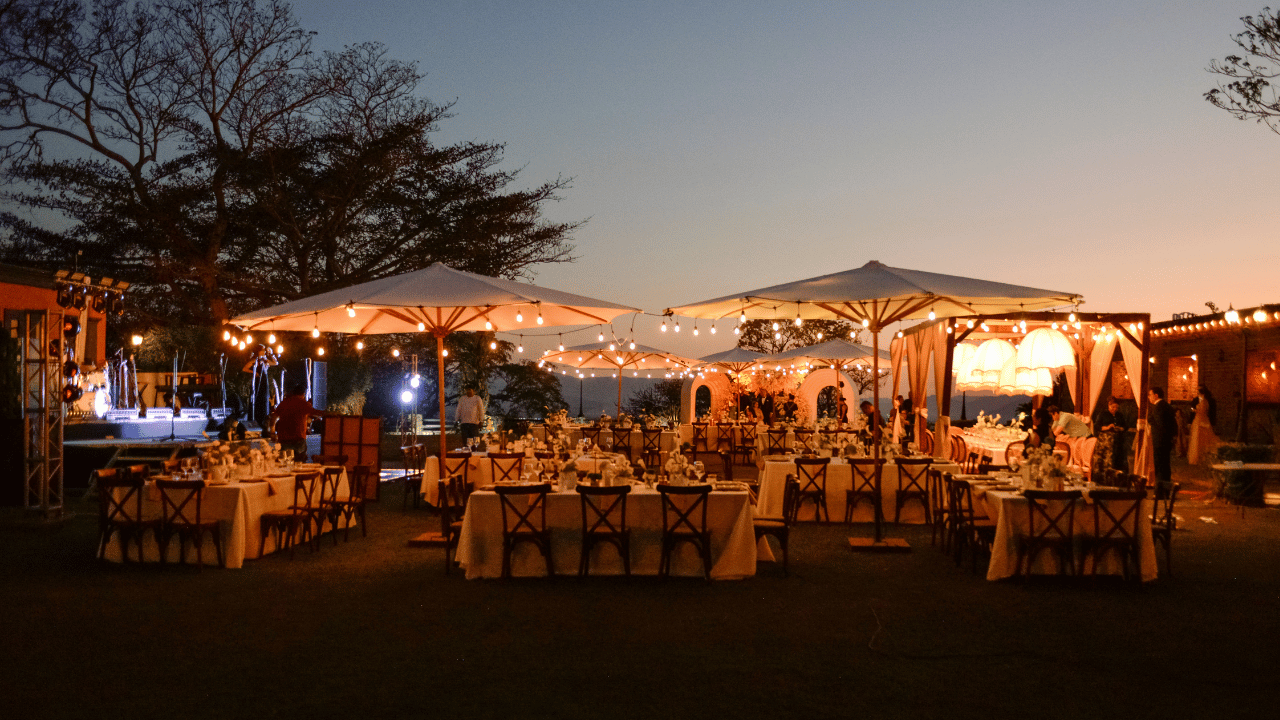
A backyard can be a wonderful place for a milestone birthday, anniversary dinner, or family reunion. It feels personal in a way that a rented hall rarely does. But hosting a large group at home creates a practical question that is easy to miss until the invitations have gone out: Where will everyone use the bathroom? The answer becomes especially important when the home is being renovated, a section of the property is closed, or guests will be staying outside for most of the celebration.
One option is to arrange temporary facilities rather than send a steady stream of people through the house. For hosts considering luxury restroom trailers, the planning starts with more than choosing an attractive unit. Golden Coast Restrooms is one provider to consider during that search, while the property’s access, utilities, and guest needs should guide the final arrangement. The objective is a restroom setup that works quietly in the background without turning a private home into a crowded public venue.
The best preparations account for what guests will actually do: arrive in unfamiliar surroundings, look for signs, walk across paths in dress shoes, and sometimes need assistance. A little attention to these ordinary moments can make the difference between a relaxed gathering and one where the host spends the evening answering questions about bathrooms.
Understand Why the House Cannot Be the Backup Plan
Hosts sometimes assume guests can use an indoor powder room if a temporary restroom becomes busy. That can be unrealistic or even unsafe. A bathroom renovation may involve exposed flooring, tools, dust barriers, or disconnected plumbing. Even when the bathrooms work, indoor access may take guests through private rooms, narrow hallways, or spaces where children and pets are being kept away from the crowd.
Decide in advance whether the house will be completely closed to guests or whether limited indoor access will remain available. Tell close family members and event staff the same thing. Mixed messages can lead to guests trying a locked door or walking into an unfinished part of the home.
If the indoor facilities are unavailable because of a plumbing problem, confirm that the event’s other water and electrical arrangements are unaffected. Do not assume an outdoor spigot or nearby outlet can be used just because it is physically present.
Choose a Site That Protects the Property
The easiest location for guests is not always the easiest location for delivery. A garden edge near the dining area might look convenient, yet the route could pass over irrigation lines, decorative paving, or recently planted grass. Start by identifying ground that is firm and reasonably level, then check how a delivery vehicle would reach it.
Look Beyond the Footprint of the Trailer
A temporary restroom needs space around it, not merely enough ground to park it. Consider the entrance, steps or ramps where applicable, safe waiting space, and room for a delivery team to position and later remove the unit. Ask the provider about the exact dimensions and access requirements for the model being discussed. If Golden Coast Restrooms is on the shortlist, share photographs of the access route rather than assuming a trailer can fit through a familiar driveway.
If access requires crossing a lawn, check whether the ground could soften after irrigation or rain. Ask about protective measures and who would be responsible for any surface damage. Photograph vulnerable areas before setup, especially near garden borders, gates, and driveways. These records can help everyone agree on the property’s condition.
Keep Guests Away From Work Zones
If the house is under renovation, separate the event from active construction areas with secure barriers and clear signs. A decorative rope is not a substitute for a proper barrier around a genuine hazard. Workers’ access routes, stored materials, and open excavations should never become part of a guest walkway.
Make the Restroom Route Feel Natural
Guests should not need a detailed explanation to find the facilities. Follow the proposed path from the dining tables, seating area, and entrance as though you had never visited the property before. Does the route require walking behind a shed, crossing loose gravel, or going through a dark side yard? A shortcut that feels obvious to the homeowner may be confusing to visitors.
Good lighting matters after sunset, particularly where a path changes level or direction. Signs should be visible before guests reach a confusing turn. Keep decorations and parked vehicles from narrowing the route as the event develops.
Accessibility requires its own discussion. Do not presume that steps into a trailer will work for everyone. Ask the rental company about available accessible options and confirm that the approach is suitable for guests with mobility needs. An accessible facility is of limited use if the route to it includes an unstable surface or a locked gate.
Plan Around the Party’s Actual Rhythm
A casual afternoon gathering and a formal evening dinner place different demands on restroom arrangements. At a seated dinner, several guests may leave their tables after a course is cleared. At a family party, parents may need room and time to help young children. A celebration with dancing can create busy periods when the music pauses.
When comparing luxury restroom trailers, think about those moments instead of choosing by appearance alone. Ask about the interior layout, handwashing facilities, lighting, and service arrangements. Confirm the unit’s requirements for power, water, waste capacity, and any servicing during a longer event. The details depend on the specific model and rental agreement.
Avoid positioning a restroom entrance where a short queue could block the buffet, a main doorway, or a path needed for emergency access. A few extra steps along a clear, level route may be preferable to placing the facilities beside the busiest part of the yard.
Assign Responsibility Before Guests Arrive
At a private event, the homeowner often becomes the default person for every small question. That is tiring, especially when the host is supposed to be celebrating. Give one trusted person or event coordinator a short list of practical responsibilities: knowing the restroom location, the provider’s contact details, and whom to tell if supplies run low or something stops working.
Check what the rental agreement includes. Some arrangements may include servicing, while others place certain monitoring or supply responsibilities on the event organizer. Do not assume anyone will return during the event unless that has been agreed upon.
For hosts discussing their needs with Golden Coast Restrooms, a simple site sketch and event schedule can make the conversation more productive. Include the delivery entrance, planned restroom position, accessible routes, utility connection points, and anticipated hours of use. That information helps a provider assess whether a proposed setup is practical instead of relying on a description such as “there’s plenty of room in the backyard.”
Protect Privacy Without Making Guests Feel Unwelcome
A private-property event needs boundaries. Guests may be welcome in the garden but not inside the home or near a garage used for storage. Clear directions can establish those limits without sounding stern. Point people toward the restroom from the main gathering area, and use signs to identify private or closed spaces only where needed.
Consider what guests can see from the restroom entrance. Facing an entrance directly toward the dining tables may feel awkward, while hiding it behind a high fence could make it hard to find. Aim for a location that offers a little separation without requiring an isolated walk.
Temporary facilities are most successful when they serve the event rather than drawing attention to themselves. Luxury restroom trailers can be part of that approach, but the surrounding paths, lighting, placement, and day-of-event oversight matter just as much as the unit’s finishes.
Restore the Property After the Celebration
Cleanup should include more than collecting decorations and folding chairs. Arrange a collection window that allows the restroom unit to be removed without driving through other vendors’ equipment. Leave the delivery route clear and confirm who will be present to unlock gates or manage vehicles.
Once the unit is gone, inspect the setup area and route for tire marks, displaced gravel, damaged edging, or forgotten temporary coverings. Address issues while the event details are still fresh. If the property is undergoing renovation, make sure the construction team knows when normal access can resume.
A successful private event leaves guests with memories of the people, food, and atmosphere, not confusion about basic needs. When indoor bathrooms are unavailable, thoughtful temporary restroom planning allows the celebration to stay welcoming while protecting the home and the space around it. Read more about event planning.