

Cleaning before guests arrive can become much larger than it needs to be. You notice dust beneath a side table, then remember the spare-room closet needs sorting. A kitchen drawer gets opened, and suddenly you are reorganizing utensils. An hour disappears while the spaces guests will actually see still need attention. A better starting point is visibility. Walk through the home as a visitor would and pay attention to the first views created by doors, hallways, seating areas, and shared spaces. Read more about cleaning guide.
Those sightlines usually tell you where pre-hosting effort will have the biggest effect.
Begin Outside the Main Gathering Room
Do not start in the middle of the living room.
Stand at the entrance to it. What catches your eye first? It may be the coffee table, sofa, open section of floor, fireplace, dining table, or a cluttered surface across the room.
That first impression matters because guests see the room from this angle before they notice smaller details. Handle the obvious visual interruption first.
A clear table or open floor can change the entire room faster than cleaning a hidden corner nobody can see from normal standing height.
The Entry Creates the First Indoor Picture
Guests usually form an impression before reaching the main seating area.
Shoes crowded around the door, packages beside the wall, or a pile of bags on a bench can make the entrance feel busy even if the rest of the house is clean. Clear the walking path. Remove objects that do not need to be there during the gathering. Check the mat, threshold, nearby flooring, and any surface guests are likely to see immediately after entering. The goal is not to redesign the entry.
It is to give the first view enough breathing room.
Sightlines Matter More Than Hidden Storage
Pre-hosting cleaning is not the best time to organize closed drawers or packed cabinets.
Guests generally experience the visible surfaces first.
If a sideboard looks clean but one of its drawers is disorganized, the drawer can wait.
If the top of the same sideboard is covered with mail, cups, and unrelated objects, that affects the room immediately.
Prioritize what enters the normal field of view.
Hidden storage matters for long-term organization, but it rarely deserves the first hour of preparation before company arrives.
Clear the Center Before Chasing the Edges
Large open areas create strong visual signals.
A living-room floor with toys, cords, shoes, or bags scattered across it can feel unfinished even if shelves and baseboards are spotless.
Clear those interruptions first.
The same principle applies to dining tables and kitchen islands.
Broad surfaces act almost like visual anchors.
Once they are open and clean, the surrounding room often looks much calmer.
After that, smaller details become easier to judge.
Turn the Guest’s Path Into a Short Priority List
Imagine the visit from arrival to seating.
The path may run from the entrance through a hallway, past the kitchen, into the living room, and eventually toward a bathroom.
That route creates a natural cleaning order.
A doorway-first brief for house cleaning services charlotte nc might therefore identify the first-view surfaces along that path the entry floor, a visible kitchen counter, the main seating area, and the bathroom vanity before moving into details that sit outside the guest experience.
This keeps attention tied to what people are most likely to encounter rather than spreading effort evenly across the entire house.
Give the Main Seating Area a Visual Reset
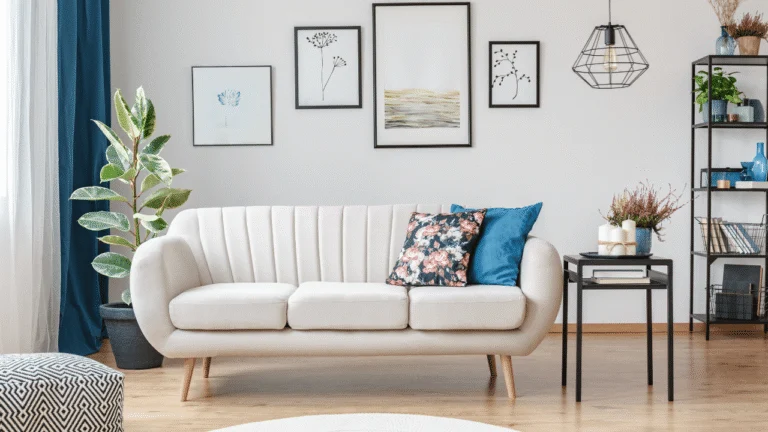
Sofas and chairs occupy a large part of the room’s visual field.
They may need very little actual cleaning but still look untidy because cushions have shifted, throws are bunched up, or unrelated objects have been left on the seats.
Reset the furniture before deciding whether more work is necessary.
Straighten cushions.
Fold or reposition throws.
Remove clothing, papers, chargers, and cups.
Then inspect the floor around the seating area for crumbs, hair, or visible debris.
A few minutes here can change the room substantially.
Look Toward the Kitchen From the Living Space
Open layouts make the kitchen part of the hosting sightline even when guests are not standing inside it.
Stand where people are likely to sit and look toward the kitchen.
Which surfaces are visible?
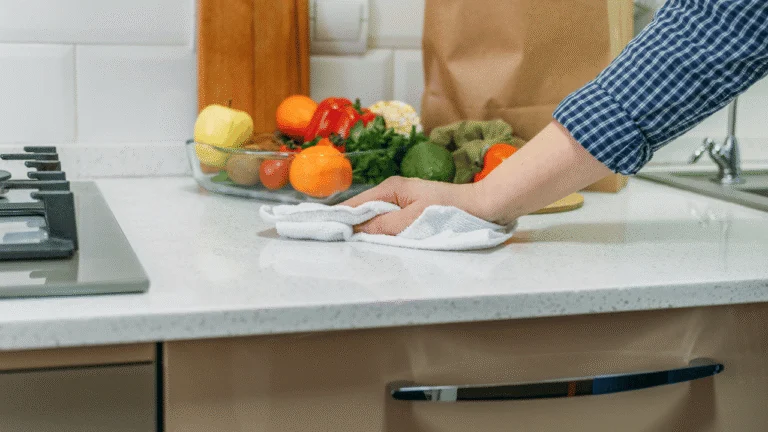
Often it is the island, sink area, refrigerator front, or one section of countertop.
Those areas deserve attention before hidden pantry shelves or rarely used cabinet interiors.
Clear the most visible counter.
Handle dishes around the sink.
Check obvious appliance fingerprints and floor debris.
The kitchen does not have to look untouched.
It only needs to look ready for people to move through it comfortably.
Dining Tables Need Space More Than Decoration
A dining table can collect paperwork, packages, devices, craft materials, and items waiting to be carried somewhere else.
Before hosting, its first need is usable space.
Remove objects unrelated to the gathering.
Wipe the exposed surface and check the chairs.
Only after the table is functional should you think about decorative details.
A clean, open table usually makes a stronger impression than elaborate decoration placed around everyday clutter.
Guest Bathrooms Have a Short Visual Checklist
Visitors usually see only a small part of the bathroom experience.
They notice the mirror, sink, faucet, toilet area, towels, and visible floor.
Start there.
Clear unnecessary items from the vanity. Check the mirror for obvious streaks. Wipe the sink and faucet appropriately. Make sure towels are presentable and basic supplies are available.
Look at the floor from the doorway.
Hair beside the vanity or debris near the toilet can stand out more in a small room than it would elsewhere.
Save cabinet interiors and hidden storage for another time unless they actually need to be used.
Use Lighting as Part of the Inspection
A surface can look different once the lighting changes.
Turn on the lights you expect to use during the gathering.
Then walk the guest route again.
A dark room may hide clutter in daylight but reveal fingerprints on a glass table under lamps. Bright overhead lighting can make mirror streaks or floor debris easier to see.
Adjusting the lighting before the final check is more useful than discovering those details after guests arrive.
Inspect the home under the conditions in which it will actually be seen.
Do Not Clean Rooms Guests Will Never Enter First
A closed bedroom may need attention eventually.
It probably should not come before the bathroom everyone will use.
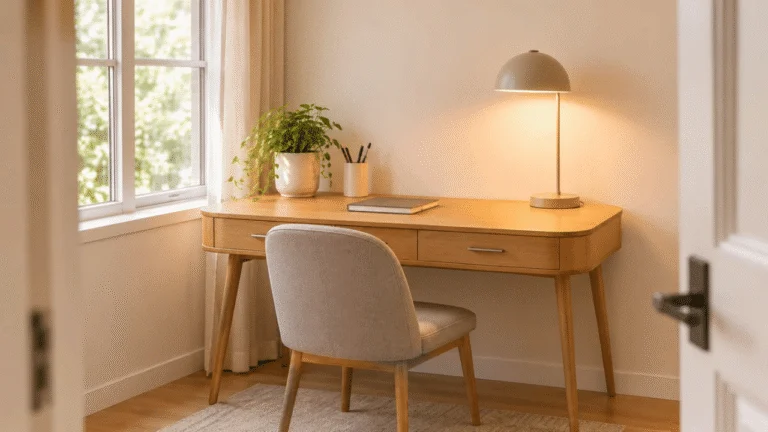
The same goes for private closets, laundry rooms, storage areas, and home offices that will remain closed.
Hosting creates a temporary priority system.
Visible shared spaces come first.
Private rooms can stay on their normal cleaning schedule unless they are part of the visit.
This keeps preparation manageable and prevents the entire house from becoming a pre-guest project.
Finish With the Floors Along the Main Route
Floors should come late because other tasks can drop debris onto them.
Once counters, tables, seating areas, and visible surfaces are done, finish the path guests will walk.
Start farther inside and work toward the entrance if that suits the layout.
Pay special attention to transitions between the entry, kitchen, living area, dining space, and guest bathroom.
Those routes carry the most traffic during the gathering.
A clean path also connects all the rooms you have already reset visually.
Take One Final Walk as a Visitor
Put the cleaning supplies away before the last inspection.
Then leave the main area and walk back in.
Enter through the front door if possible.
Look ahead rather than down.
Does anything immediately interrupt the view?
Is the main table clear? Does the sofa look settled? Is the kitchen counter visible from the room reasonably open? Does the bathroom look ready from its doorway?
This final walk is useful because it shifts your perspective from cleaner to guest.
You stop searching for tasks and start seeing the space as a whole.
Hosting Preparation Is About What People Experience
A pre-hosting clean does not need to reach every hidden surface. It needs to make the spaces people will enter, see, touch, and move through feel ready. Start with sightlines. Follow the arrival path. Clear broad visible surfaces.
Reset the main seating area, tidy the kitchen from the guest’s viewpoint, refresh the bathroom, and finish the floors after everything above them is complete. There will always be another drawer, closet, shelf, or private room that could use attention. Those jobs can wait.
Before guests arrive, the best use of time is usually right in front of you.