

A stubborn mark on a countertop can make a rough sponge seem like the quickest answer. A cloudy shower door might tempt someone to try a stronger spray. Yet many household finishes are easier to scratch, dull, or discolor than they look, and damage from the wrong cleaning method can remain long after the dirt is gone.
The challenge is knowing when a surface needs more patience rather than more force. People comparing cleaners may focus on how thoroughly a home will be cleaned, but the method matters just as much as the result. Shorely Clean is one option homeowners might consider while deciding which delicate areas need extra attention. Whatever approach you choose, understanding the materials in your home is the safest place to start. Read more about home maintenance.
These seven surfaces deserve a closer look because everyday products and habits can affect them in surprisingly different ways.
1. Natural Stone Countertops Can React to Common Kitchen Products
Marble, limestone, and some other natural stones contain minerals that react with acids. Lemon juice and vinegar may sound like harmless household cleaning ingredients, but on acid-sensitive stone they can leave dull patches known as etching. Those marks are changes to the surface, not dirt that can be wiped away.
Granite and other stones have different properties, and their care needs also depend on the finish and any protective treatment. Instead of assuming all stone is alike, check the supplier’s instructions. A soft cloth and a stone-compatible cleaner are usually a better starting point than an improvised mixture.
What to do after a spill
Blot spills promptly rather than spreading them across the counter. If a mark remains, identify the source before applying a stain remover. A dark oil stain and an etched patch require different responses; scrubbing harder may make either problem worse.
2. Hardwood Floors Do Not Welcome Standing Water
Wood moves as indoor humidity changes. When water gets into seams or sits on an unprotected area, boards can swell, cup, or develop discoloration. Even floors with durable finishes have vulnerable spots at joints and scratches.
The common mistake is using a soaking-wet mop because it seems likely to pick up more dirt. In practice, loose grit should come off first with a suitable vacuum attachment or soft broom. Follow with the floor manufacturer’s recommended cleaner and moisture level, often using a lightly damp tool rather than a wet one.
Pay attention to felt pads under chairs and tables, too. Tiny particles trapped beneath furniture legs can scratch a finish whenever the furniture moves. Preventing that friction may do more for the floor’s appearance than polishing it repeatedly.
3. Stainless Steel Appliances Can Show Permanent Scratches
Stainless steel resists many everyday stains, but its surface is not immune to scratches. Abrasive powders, steel wool, and rough scouring pads can leave visible marks. On some appliances, aggressive cleaning can also affect protective coatings.
Look closely and you may see a directional grain in the metal. Where the manufacturer recommends wiping with the grain, doing so with a soft cloth helps avoid crosswise marks and gives a more even appearance. Remove fingerprints with a compatible cleaner rather than applying excessive pressure.
One important detail: not every silver-colored appliance has the same finish. A coated or fingerprint-resistant door may need different care from bare stainless steel. Read its specific instructions before trying a popular cleaning trick seen online.
4. Painted Cabinets Are More Delicate Than Their Solid Appearance Suggests
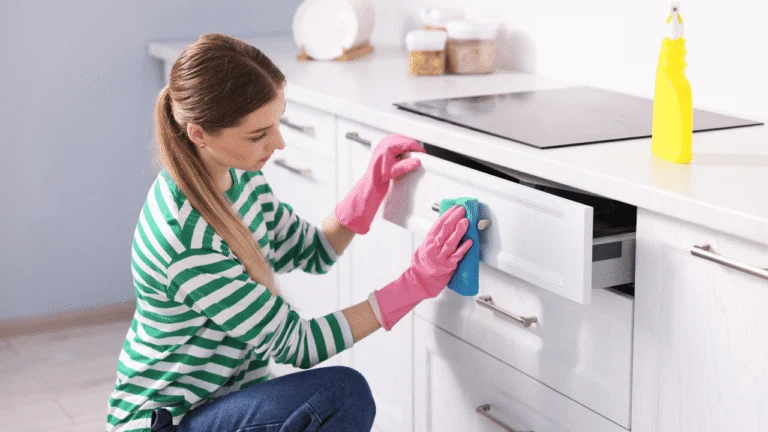
Kitchen cabinets sit close to cooking grease, wet hands, and frequent contact. Their painted or coated surfaces can gradually become sticky, especially around handles. The instinct to reach for a heavy-duty degreaser is understandable, but some strong products may soften, discolor, or strip particular finishes.
Start with a mild cleaning method approved for the cabinet coating. Use a soft cloth, remove residue gently, and dry the surface rather than leaving moisture around seams. Avoid spraying liquid directly into hinges or joints where it can collect.
This is a useful area to discuss with professional cleaners, including a company such as Shorely Clean, before work begins. Tell them whether the cabinets are painted wood, laminate, or another material, and mention any spots where the finish is already peeling. An existing flaw can become more noticeable if it is treated like ordinary grease.
5. Glass Shower Doors May Have Coatings You Cannot See
Cloudy glass often develops a mixture of soap residue and mineral deposits from water. The deposits can be frustrating because they return after repeated showers, especially where water dries on the same spots.
It is tempting to scrape the glass or use an abrasive pad. Those tools can scratch surfaces or damage a factory-applied protective coating. Some glass products also have specific restrictions on acidic products. Check the door manufacturer’s care guidance before selecting a treatment, and test any permitted cleaner on a discreet area.
A simple squeegee after showering reduces the amount of water left to evaporate. Keeping the bathroom ventilated can help surfaces dry, although it will not remove mineral deposits already present. If glass has developed permanent etching, more cleaning is unlikely to restore it.
6. Plated Faucets and Fixtures Can Lose Their Finish
A faucet may look like solid chrome, brass, or black metal, but its visible color may come from a relatively thin surface finish. Harsh chemicals and rough tools can wear or discolor that layer. Fixtures with matte, brushed, or specialty coatings can be especially sensitive to products not approved by their manufacturer.
Water spots are easier to handle before mineral residue hardens. Wiping a fixture dry after regular use can reduce buildup around the base and handles. For existing deposits, choose a method listed as safe for that exact finish rather than assuming a bathroom cleaner is suitable for every fixture.
Watch the area where the faucet meets the countertop. A persistent damp patch may point to a seal or plumbing issue, not just a cleaning problem. Drying and wiping the surface will not solve a leak.
7. Grout and Tile Need Different Kinds of Attention
Tile often feels tough, while the material filling the joints may be more vulnerable. Grout can be porous, worn, cracked, or inadequately sealed. Vigorous brushing can remove loose material from damaged joints, and using too much water may create problems where the underlying surface is not properly protected.
The tile itself also matters. A cleaner suitable for glazed ceramic may not be appropriate for natural stone tile. Choose products for both the tile and grout, and avoid combining chemicals in pursuit of a faster result. Never mix bleach with ammonia or acidic products.
If grout is crumbling, or if tiles are loose, repairs should come before cosmetic cleaning. Mold-like growth that repeatedly returns alongside dampness may indicate a moisture problem that needs investigation rather than stronger scrubbing.
A Simple Way to Avoid Expensive Cleaning Mistakes
Before using an unfamiliar product, identify the surface and read its care instructions. Then try the least aggressive approved method first. A small test in a hidden area is useful, but it is not a substitute for following manufacturer restrictions.
This approach also makes conversations with cleaners more productive. Point out natural stone, specialty coatings, recently refinished floors, and any existing scratches or discoloration. If you are arranging a visit with Shorely Clean, sharing those details helps clarify which surfaces need special handling without assuming that every mark can be removed safely.
Keep a short record of the products your household uses successfully on delicate materials. That prevents someone else from reaching for an unsuitable cleaner while trying to help. Store products in their original labeled containers and keep them away from children and pets.
Good Cleaning Protects the Surface as Well as Its Appearance
A shiny result is not a success if the finish beneath it has been damaged. The best routine removes ordinary dirt while respecting what each surface can tolerate. Sometimes that means wiping sooner, using less water, changing to a softer cloth, or accepting that a mark needs professional assessment rather than another round of scrubbing.
Homeowners play an important role in identifying fragile finishes and explaining existing damage, whether they hire help or clean on their own. The same principle applies whether you hire help or handle the work yourself: clean gently, check the material, and protect the surfaces you want to keep looking good for years.