
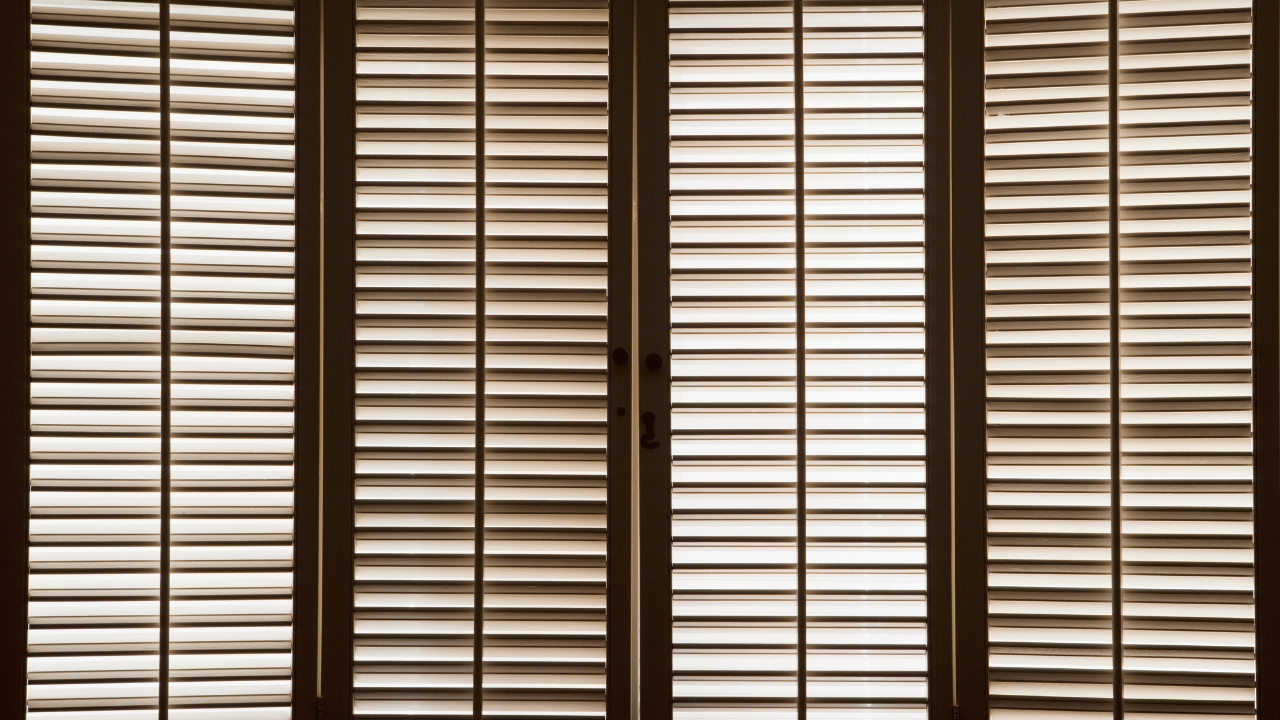
A window might look perfectly ordinary until someone tries to fit a new covering inside it. The decorative trim may project farther than expected, a crank handle might sit directly in the path of an opening panel, or the frame might be slightly out of square. Those small details are easy to overlook when choosing window treatments from photographs. They become much more noticeable when installation day arrives.
This is especially true for Plantation Shutters, which use a fitted frame and hinged panels instead of flexible fabric. A beautiful finish cannot make up for panels that cannot swing open or louvers that hit a window handle. Homeowners considering a custom fit should first take a closer look at the shape, depth, and hardware of their existing windows. Read more about home improvement.
The process does not require expert knowledge to begin. Even before talking with a provider such as Shutters & Shades, you can identify the features that might affect mounting and everyday use. A few minutes spent checking the trim and surrounding space can make later measurements and product conversations much more useful.
The Trim Is More Than a Decorative Border
Interior window trim gives a room its finished look, but it also affects where a new covering can sit. Some windows have broad, flat casing with plenty of wall space around them. Others have narrow trim, deep ledges, or ornate profiles that extend into the room. There may also be tile, cabinets, or shelving close to the window.
Start by looking at the inside edge of the opening. Is there a smooth, continuous surface where a frame could be secured? Are there raised stops or uneven sections? Does the trim appear solid and firmly attached? These observations do not determine the correct installation method on their own, but they help explain why a standard-looking window may need a carefully planned mount.
Do not assume that decorative casing can support hardware simply because it feels sturdy; The installer needs to determine suitable fastening points and whether any underlying materials require special attention.
Inside Mount or Outside Mount: What Actually Changes?
An inside mount positions the shutter frame within the window opening. Many homeowners like the recessed appearance, especially where the existing trim is attractive and worth keeping visible. This approach depends on the available depth, clearance, and the condition of the opening.
An outside mount places the frame over or around the opening. It may be worth considering when there is insufficient depth inside, when the opening is uneven, or when extra clearance is needed for hardware. However, an outside frame can cover part of the existing trim and may compete visually with a narrow wall or nearby cabinet.
The decision should not be based only on a photograph of a finished room. Open and close the window first, then imagine where the shutter frame and panels would sit. An attractive arrangement on paper can become frustrating if it makes cleaning or operating the window difficult.
The Hardware Test Most People Forget
Crank Handles and Locking Mechanisms
Casement windows often have cranks, locks, or handles that project from the frame. Even a small protrusion can interfere with louvers or prevent a panel from closing flush. Measure and photograph the hardware in its normal position, and show what happens when the window opens.
Deep Sills and Narrow Recesses
A deep sill may offer useful space beneath the window, but it does not automatically mean there is enough depth for a shutter. The location of the glass, sash, stops, and handles matters. On a shallow recess, the louvers may need additional clearance to rotate freely.
Window Screens and Cleaning Access
Consider whether screens must be removed from indoors. A covering that looks neat when closed should still let you reach the glass, operate locks, and perform routine cleaning. If the window doubles as an emergency escape opening, preserving its required operation is particularly important.
Open the Window Before You Measure It
One of the simplest checks is also one of the most revealing: operate the window fully. Raise a double-hung sash, swing out a casement, or slide the panel along its track. Watch where hands naturally need to reach and where moving parts travel.
Next, look at the space on either side of the opening. Shutter panels need room to swing when opened. Nearby walls, faucets, furniture, curtain rods, or built-in shelves can limit that movement. A window above a kitchen sink presents different practical concerns from a bedroom window with a clear wall beside it.
If you are comparing Plantation Shutters, describe how you normally use each window instead of treating every opening as identical; A window kept closed most of the year might have different access priorities from one opened daily for fresh air. Both still need safe and functional operation.
A Square-Looking Window May Not Be Square
Older homes, settling, and ordinary construction tolerances can leave openings with slight differences between the top and bottom or from one corner to another. Paint buildup and repairs can create smaller irregularities too. These differences are not always visible from across the room.
Take preliminary measurements at several points rather than relying on a single width and height measurement. Do not order from those figures unless the supplier specifically instructs you to do so. Custom shutter measurements may account for frame style, mounting location, necessary allowances, and the way the panels will operate.
This is where a professional measurement visit can prevent expensive assumptions. For example, Shutters & Shades can be asked what information the installer needs about irregular trim, window hardware, and planned mounting locations. The useful outcome is a clear fit plan, not merely a number written on a worksheet.
Think About What the Shutters Will Look Like Open
A window covering is often photographed in its closed position, with evenly spaced louvers and tidy lines. In daily life, however, you may open the panels to clean the glass, enjoy an unobstructed view, or access the latch. Those open panels become part of the room’s layout.
Check whether they would block a light switch, overlap a mirror, or project into a walkway. On a set of adjacent windows, think about how panels from different openings might meet. Divider rails, panel widths, and hinge positions can affect both the appearance and practical movement of the finished treatment.
With Plantation Shutters, the way panels fold or swing can matter as much as the appearance of the louvers. Material and finish matter here, but they should come after the fit questions. A color that complements the walls will not resolve a panel that collides with the countertop.
Prepare for a Better Installation Conversation
Before scheduling measurements, gather three things: straight-on photographs, close-ups of trim and hardware, and notes about how the windows open. Include an image of any obstacle near the frame. If several windows look similar, label the photos by room so details do not get mixed up.
When consulting Shutters & Shades, ask how the proposed frame will interact with the existing casing, whether the louvers will clear the hardware, and how far the panels can open. You can also ask what changes, if any, might be needed before installation. Specific questions are far more useful than simply asking whether the shutters will fit.
Finally, make sure everyone agrees on which trim will remain visible and where the frame edges will land. This helps avoid a disappointing surprise even when the finished product operates correctly.
Let the Window Set the Rules
Well-fitted interior shutters should feel like they belong to the window rather than something forced into place. That depends on more than choosing a pleasing louver size or finish. The trim, recess, handles, surrounding furniture, and opening motion all contribute to what will work.
Walk through those details before committing to a style. You will be better prepared to compare mounting options, recognize practical limitations, and ask for a design that respects how the window is used every day.