
Choosing a roofing material involves more than selecting a color or matching the exterior of a house. Different materials offer distinct advantages in appearance, weight, durability, and maintenance. The right choice depends on how the roof is designed and the conditions it must withstand.
Asphalt shingles, metal roofing, and tile are common residential options, but they perform differently. Roof slope, structural capacity, local weather, and architectural details all influence material suitability. Understanding these differences helps homeowners avoid decisions based solely on appearance or initial price.
Before planning a roof installation, homeowners should examine how each material fits their property’s requirements. Upright Roofing and Construction may be considered during this evaluation—particularly when discussing existing roof conditions and material compatibility. A thoughtful comparison provides a clearer foundation for choosing a roofing system.
Asphalt Shingles for Traditional Home Designs
Asphalt shingles remain a familiar option for residential properties because they accommodate many conventional roof shapes. Their layered appearance complements traditional, suburban, and contemporary architecture.
Appearance and Design Flexibility
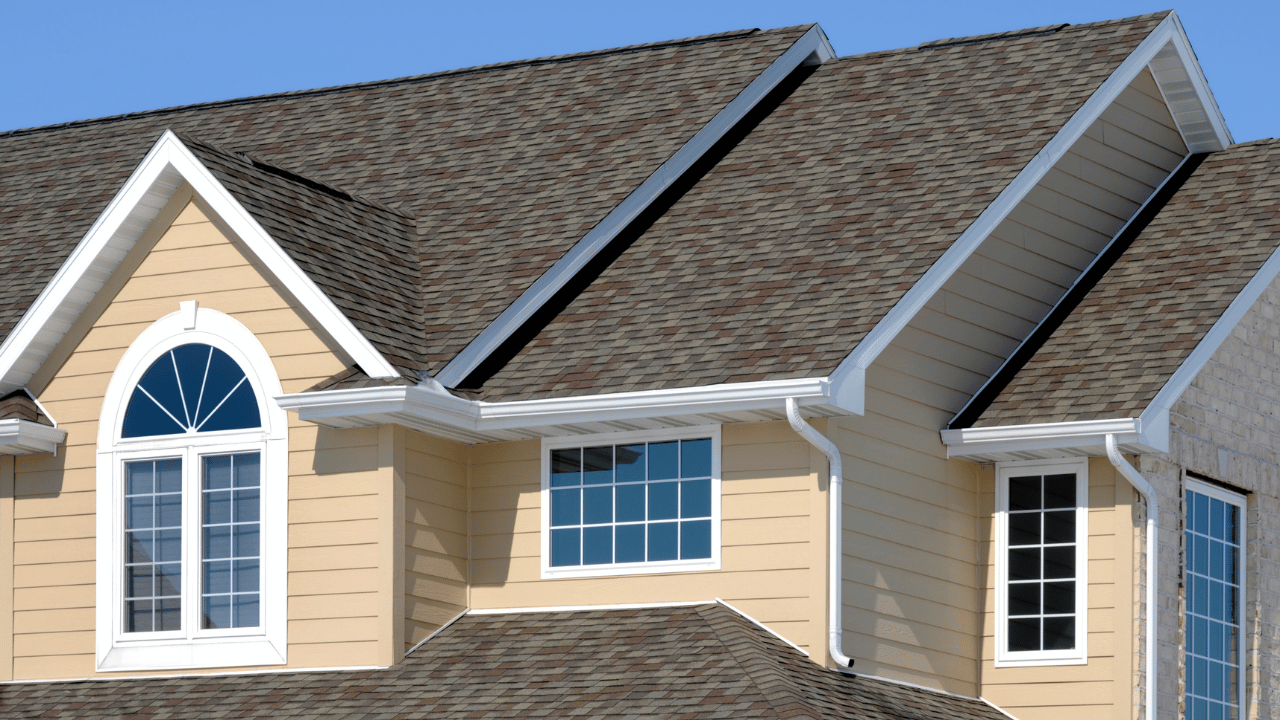
Asphalt shingles come in various colors, profiles, and textures. Architectural shingles create dimensional patterns that can add visual depth to otherwise simple rooflines.
Their relatively modest weight makes them suitable for many structures designed for conventional roofing materials. However, compatibility still depends on the building’s actual construction.
Maintenance and Weather Considerations
Shingles can experience granule loss, cracking, lifting, or other deterioration as they age. Wind exposure, sunlight, ventilation conditions, and installation quality influence their performance.
Periodic inspections help identify damaged sections and vulnerable transitions. Homeowners should also monitor debris accumulation around valleys and drainage areas.
Although shingles are widely available, their expected service life varies considerably; product specifications and environmental exposure deserve attention when comparing options.
Metal Roofing for Contemporary and Rural Properties
Metal roofing offers a different appearance and construction approach. It is frequently associated with modern houses, agricultural buildings, and homes featuring simple roof planes.
Understanding Metal Panel Systems
Metal roofs may use standing-seam panels or exposed-fastener systems. These configurations differ in appearance, attachment methods, and maintenance requirements.
Standing-seam systems generally conceal their primary fasteners beneath raised panel connections. Exposed-fastener systems use visible attachment points that require appropriate sealing and maintenance.
Both approaches depend on correct detailing around edges, penetrations, and transitions.
Thermal Movement and Installation Details
Metal expands and contracts as temperatures change. Roofing systems must accommodate this movement without placing excessive stress on panels or connections.
Fastener selection, panel lengths, and attachment methods influence performance. Incorrect installation may contribute to distortion or compromised connections.
Homeowners should evaluate these technical requirements before choosing metal solely for its appearance.
Tile Roofing for Mediterranean and Classic Architecture
Clay and concrete tiles create distinctive roof profiles. Their appearance often complements Mediterranean, Spanish-inspired, and other traditional architectural styles.
Structural Weight Requirements
Tile roofing can be substantially heavier than many asphalt or metal systems. The supporting structure must accommodate the selected product and applicable design loads.
Homeowners considering tile should not assume an existing roof can support it without evaluation. Structural assessment may be necessary when changing from a lighter material.
The weight difference can influence project complexity and preparation requirements.
Tile Durability and Vulnerabilities
Individual tiles may provide long service under suitable conditions. However, tiles can crack from impacts, improper foot traffic, or other concentrated loads.
Water management also depends on the underlying roofing assembly. Tiles alone should not be treated as the entire moisture protection system.
Maintenance may involve replacing damaged units and examining flashing or underlayment conditions.
How Roof Shape Influences Material Selection
Roof geometry affects which materials can be installed appropriately. Slope, valleys, dormers, and intersecting roof sections introduce different installation challenges.
Low-Slope Versus Steep-Slope Roofs
Every roofing product has minimum slope requirements. Materials suitable for steep roofs may not perform correctly on surfaces with limited pitch.
A roof installation plan should follow manufacturer specifications and applicable building requirements. Selecting an unsuitable material can create drainage problems even when the visible workmanship appears satisfactory.
Homeowners should confirm compatibility before comparing colors or finishes.
Complex Rooflines and Material Waste
Roofs containing numerous valleys, hips, dormers, or irregular sections require additional detailing. Cutting materials around these features can also increase waste.
Large metal panels may require careful planning around complicated geometry. Tile and shingle systems introduce their own layout considerations.
A simple roof shape may therefore produce different cost comparisons than an architecturally complex one.
Comparing Costs Beyond the Initial Purchase
Material prices represent only part of a roofing project’s total expense. Labor, preparation, accessories, structural requirements, and disposal can significantly affect the final amount.
Installation Complexity
Some materials require specialized handling, equipment, or installation methods. Others involve additional preparation before the visible covering can be placed.
Roofing service in Coppell, TX can be considered when homeowners seek information about project scope and material requirements. Written proposals should explain the work involved rather than presenting material prices without context.
Comparing complete systems produces more meaningful estimates.
Maintenance and Long-Term Expenses
An initially economical material may require different maintenance over its service life than a more expensive alternative. However, higher initial cost does not guarantee lower lifetime spending.
Repair accessibility, replacement component availability, and environmental exposure influence future expenses.
Homeowners should consider realistic ownership plans instead of assuming every premium material provides equal value.
Climate and Environmental Performance Factors
Roofing materials respond differently to heat, moisture, wind, and surrounding vegetation. Local conditions should influence selection alongside architectural preferences.
Sunlight and Surface Temperature
Roof color and surface characteristics affect solar heat absorption. Reflective products may reduce heat gain under appropriate conditions.
However, attic insulation, ventilation, and the complete roof assembly also influence indoor temperatures.
Material selection should consider overall building performance rather than isolated marketing claims.
Wind and Moisture Exposure
Wind resistance depends on the specific product, fastening system, and installation requirements. Broad material categories do not establish identical performance ratings.
Moisture protection also depends on underlayment, flashing, drainage, and workmanship.
Homeowners should review relevant product ratings and local requirements before making comparisons.
Matching Roofing Materials With Homeowner Priorities
Architectural appearance matters, but practical considerations deserve equal attention. A suitable material should complement the building without causing unnecessary structural or maintenance complications.
Homeowners may prioritize affordability, distinctive design, durability, or manageable upkeep. These priorities can lead to different choices for otherwise similar houses.
Upright Roofing and Construction may be included among the professionals consulted during material evaluation. Homeowners should request clear explanations of product suitability and any required preparation.
Choosing a Roofing System That Fits the Property
Asphalt shingles, metal, and tile each offer useful characteristics for different residential applications. No single material provides the ideal solution for every roof shape, structure, or climate.
Successful selection requires considering structural capacity, slope, installation requirements, appearance, and long-term maintenance. A material that suits one home may introduce unnecessary complications on another.
Before committing to roof installation, homeowners should confirm that their preferred product matches the building’s actual conditions. Careful evaluation supports a roofing choice that balances architectural character with practical performance.