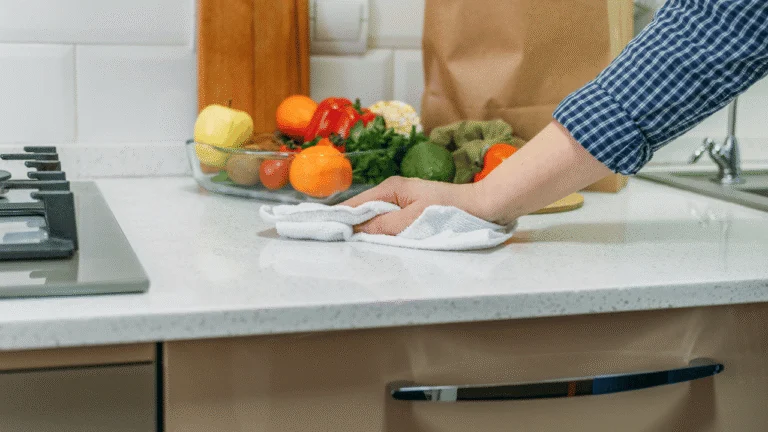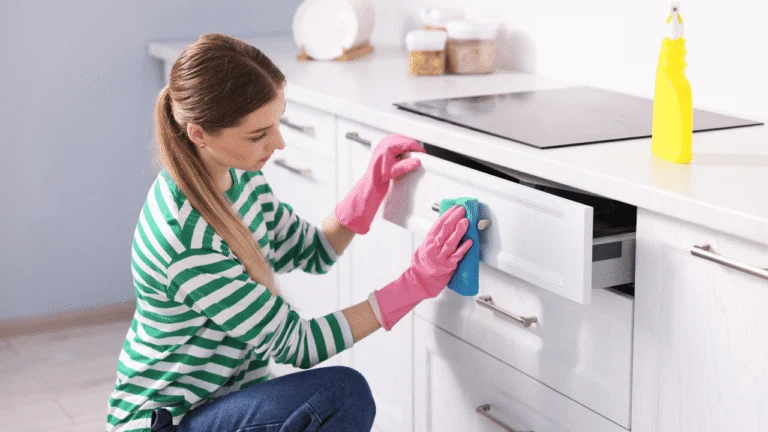

A room can be almost completely clean and still feel slightly unfinished. The floor has been vacuumed. Counters are clear. The sink looks good. Furniture has been dusted, and visible clutter is gone. Then the eye catches a fingerprint on a cabinet pull.
A light switch has a faint mark around it. The refrigerator handle looks dull. A door handle carries smudges from repeated use. These small details occupy very little physical space, yet they can change the impression of an otherwise well-cleaned room. That final ten percent of cleaning often lives on the surfaces people touch rather than the surfaces that take up the most room.
Large Surfaces Get Attention First
Big areas naturally dominate most cleaning sessions. Floors take time. Kitchen counters are obvious. Bathroom fixtures stand out. Tables, desks, and other broad horizontal surfaces are easy to see.
Touchpoints are smaller and easier to overlook.
A door handle may be only a few inches wide. A light switch occupies almost no space at all. Cabinet pulls blend into the furniture around them.
Yet these details receive repeated contact throughout the day. That combination of small size and high use is exactly why they can become the final visible miss after everything else looks finished.
Door Handles Reveal Repeated Use Quickly
Every room has doors, but not every handle receives the same amount of contact.
A main bedroom, bathroom, pantry, or entry door may be opened many times each day. A guest-room handle may stay untouched for much longer. Instead of cleaning every handle according to the same schedule, notice which ones change fastest. The busiest handles often show fingerprints, dullness, or marks around the surrounding door surface.
Check the area just beyond the handle too.
People do not always make perfect contact with the hardware. Fingers and palms can touch the door itself while pushing or pulling.
The true contact zone may therefore be slightly larger than the handle.
Light Switches Need More Than a Quick Glance
Light switches are easy to miss because they sit vertically on the wall rather than on a surface associated with cleaning.
Look closely at the plate and the wall around it.
Repeated use can leave marks where fingers approach the switch. The effect may be subtle, especially on darker walls or patterned finishes. This does not mean the surrounding paint should be scrubbed aggressively. Use a method appropriate for the wall finish, and stop if the material does not respond well.
The useful habit is simply to include switches in the visual check rather than letting them disappear into the wall.
Cabinet Pulls Tell You Which Storage Works Hardest
Kitchen and bathroom cabinets often contain dozens of handles or pulls. Only a few may receive constant use. The drawer holding everyday utensils gets opened repeatedly. The cabinet beneath the sink may see frequent contact.
A pantry handle can change quickly while a cabinet holding rarely used items stays clean for weeks. That pattern creates a shortcut.
Instead of inspecting every piece of hardware with equal intensity, begin with the storage used most often. The marks usually appear where the activity is.
Appliance Handles Are Part of the Cleaning Story
Refrigerator handles, microwave buttons, dishwasher edges, and oven controls connect several activities.
Someone cooking may touch them after handling ingredients. Another person reaches for the refrigerator while eating. A dishwasher handle is used during cleanup. These surfaces can therefore look worn before the surrounding appliance does.
Pay attention to the grip area rather than automatically wiping the entire appliance exterior every time.
A targeted pass may be all that is needed to restore the finished appearance.
The Faucet Is Both a Fixture and a Touchpoint
A bathroom or kitchen faucet combines water exposure with repeated hand contact.
That makes it visually important. Water spots can collect around the base. Handles show fingerprints. The surrounding sink may already be clean while the faucet still looks dull. Because reflective surfaces catch light, small marks can stand out sharply.
A quick final check of the faucet often makes the whole sink area look more polished without requiring another full cleaning.
Chair Backs and Table Edges Are Easy to Forget
Dining areas contain touchpoints that do not look like hardware. People pull chairs by the top rail. Hands rest on table edges. Bar stools are moved repeatedly from the same spot.
These areas may collect fingerprints or residue even when the tabletop and floor have been cleaned. Run the final visual check across the parts people actually grab. The chair seat may be fine while the back carries the real evidence of use. Cleaning by contact rather than by object can reveal these differences.
The Final Pass Should Follow Hands Through the Space
One way to find overlooked details is to imagine moving through the room normally.
- Open the door.
- Reach for the switch.
- Pull a drawer.
- Open the refrigerator.
- Use the faucet.
- Move a chair.
That sequence creates a map of contact points.
During a visit involving cleaning services in NYC, that kind of final contact-path review can catch small details after the larger room work is already complete, without restarting the entire cleaning process.
The point is not to add another full checklist.
It is to follow the surfaces that hands encounter most often and see which ones still interrupt the finished look.
Remote Controls and Small Shared Objects Count Too
Not every touchpoint is fixed to the room.
Remote controls, frequently used trays, game controllers, and similar shared objects may be handled many times each day.
Because they move around, they are easy to exclude from a room-based cleaning plan.
Identify only the items that are used constantly.
There is little reason to treat every decorative object as though it belongs in the same category. High contact, not small size, is what makes an object part of this final-ten-percent check.
The Area Around a Touchpoint Can Matter More Than the Touchpoint
A cabinet handle may be clean while the door around it shows marks. The same can happen around switches, drawers, and appliance controls. Look a few inches beyond the obvious point of contact.
This is especially noticeable on light cabinetry, glossy finishes, and painted doors. The surrounding zone does not need to be treated aggressively.
A gentle inspection is often enough to identify whether there is residue or simply normal wear.
Knowing the difference prevents unnecessary scrubbing.
Use Side Lighting to Find the Last Misses
Some marks disappear when viewed straight on. Change the angle. Light from a window, lamp, or overhead fixture can reveal fingerprints and streaks on glossy or reflective surfaces. This works particularly well on stainless appliances, mirrors, polished handles, and darker cabinet finishes. Do not chase every microscopic mark. The purpose is to catch what is visible from normal use and ordinary viewing distance.
Cleaning should improve the room, not become an endless inspection exercise.
Keep the Final Ten Percent Small
The phrase “last ten percent” matters because this stage should stay limited. If the final pass turns into moving furniture, reorganizing cabinets, and deep-cleaning overlooked corners, it has become a new project. Stay with the contact details. Handles, switches, pulls, controls, faucet areas, chair backs, frequently used small objects. A few minutes is often enough. That small finish can make the larger cleaning work feel complete.
Clean the Surfaces People Notice With Their Hands
A room is experienced through touch as much as sight. People open doors, move chairs, turn on lights, pull drawers, use appliances, and handle fixtures without thinking about it.
Those repeated actions leave small traces.
They are easy to miss because the surfaces involved are tiny compared with a floor or countertop.
Yet once the major cleaning is done, those details become more visible. That is why the last ten percent of a clean often lives in the places people touch first. Finish there, and the room is far less likely to look as though one final step was forgotten.